
Heading away for the holidays? A pet owner's checklist for travel, boarding and sitters
November 12, 2026
The end of the year is a time for catching up with family, road trips and a well-earned break. For many households, it also means working out what happens to the dog or cat while everyone is away.
This checklist walks through what to sort before you go, whether your pet is travelling with you, staying at a boarding facility or being looked after at home by a sitter.
Start early with a pre-holiday check-up
Booking in a check-up before you leave gives you time to sort anything that comes up, and peace of mind that your pet is ready for the trip or the stay. It's a good chance to:
- Make sure vaccinations are up to date, since many boarding facilities and sitters ask for this
- Check that parasite prevention, including tick and flea prevention, is current for the whole time you'll be away
- Talk through any ongoing health concerns, particularly for older pets or pets on regular medication
- Ask whether your pet is well suited to travel or boarding
- Make sure you have enough of any regular medication to cover the trip, plus a little extra
Holiday dates fill up quickly, so it helps to book early.
Paperwork and travel certificates
If you're travelling with your pet, requirements can vary depending on where you're going, how you're getting there and which rules apply at your destination. The best step is to check as soon as your plans are set, as some paperwork can take time to arrange.
Dr Bec offers travel certificates at home, so you can sort the paperwork without any extra running around.
It's also a good time to check that your pet's microchip details match your current contact information. Our guide to checking your pet's microchip details explains why "registered" and "up to date" aren't the same thing. Click here to find out more information about microchipping and where to find your pet's details.
If your pet is going to boarding
- Book early. Holiday periods are busy, so secure a spot as soon as your dates are confirmed.
- Check the requirements. Facilities have their own vaccination rules, and some vaccinations need time to take effect before a stay, so ask what is needed and by when.
- Visit beforehand if you can. Seeing the space, and letting your pet have a short stay first, can make the real thing easier.
- Pack familiar things. A favourite blanket, toy or an item that smells like home can be comforting.
- Write down the routine. Include meal times and amounts, any medication, and anything that helps your pet settle.
- Share your vet's details and an emergency contact, plus who has permission to make decisions if you can't be reached.
If a sitter is coming to your home
For many pets, staying in their own space with a sitter is the least disruptive option. This is especially true for cats, who are usually happiest at home in their familiar surroundings.
- Meet beforehand. Introduce your pet to the sitter while you're still home.
- Leave a clear information sheet, covering feeding times and amounts, walks, medication, any quirks, and where supplies are kept.
- Cover the safety basics: doors and gates kept secure, no off-lead time in unfenced areas, and a safe, contained space for cats.
- Leave contact details for your vet, a local emergency vet, and how to reach you and a back-up person.
- Check in with a quick message or a few photos, if you'd like to be updated.
If your pet is travelling with you
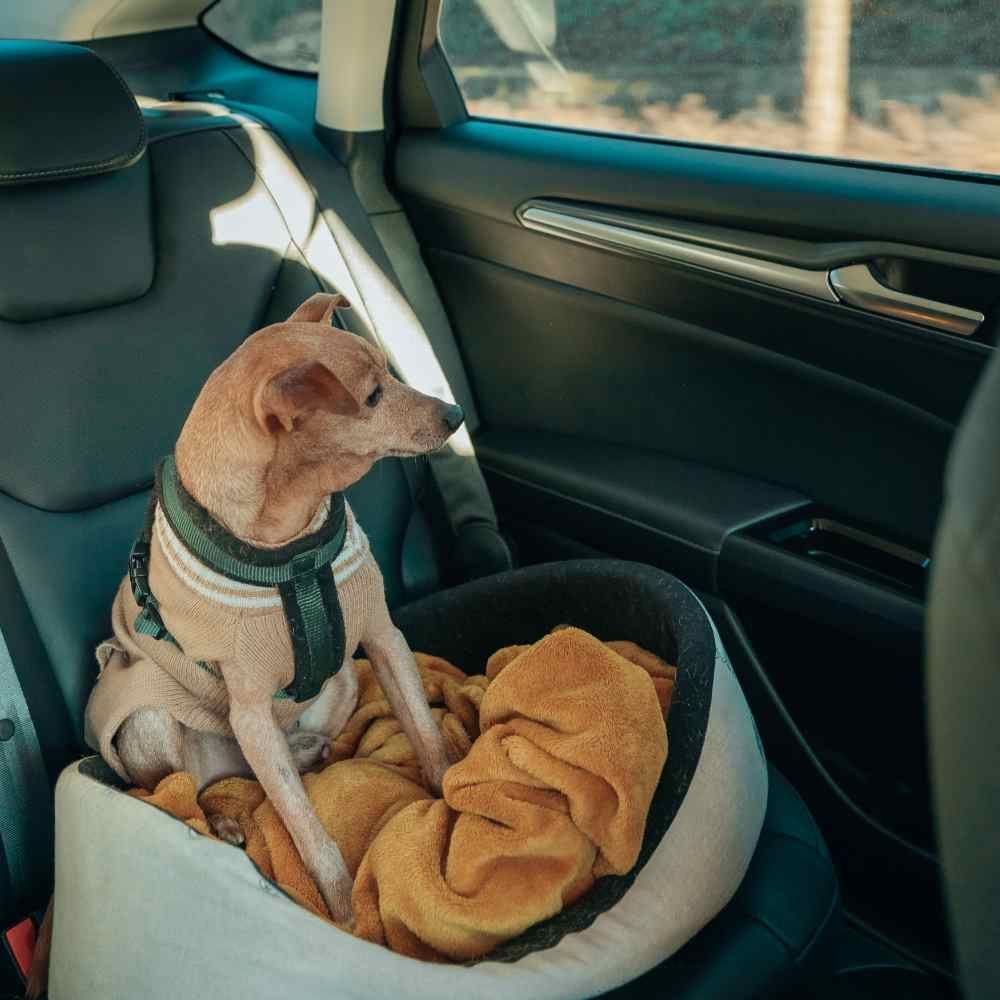
- Secure them in the car, with a crate or a harness that suits them.
- Plan regular breaks with water, shade and a chance to stretch their legs.
- Never leave a pet in a parked car, even for a short time.
- Pack a pet bag: food, a water bowl, any medication, bedding, poo bags, a lead, and their vaccination and microchip records.
- Choose pet-friendly accommodation and check its rules before you go.
- Keep ID tags current, with a phone number that will be answered while you're away.
- Note an emergency vet near where you are staying.
Helping them settle
Pets are creatures of routine, and a change in who is around can feel like a lot. Keeping to their usual meal and walk times, leaving familiar items, and giving them a few quiet days to settle after a stay can all help. If your pet gets very worried when you leave, it's worth talking to your vet well before you go, and not on the day.
When you get back
Keep an eye on your pet for the first few days. Check that they are eating, drinking and toileting normally, and give them a quick tick check after trips, especially if they have been in long grass or bush. If anything seems off, or you have any concerns, talk to your vet.
Your quick checklist
- Book a pre-holiday check-up and confirm vaccinations
- Check parasite prevention covers the whole trip
- Start travel paperwork early
- Book boarding or a sitter early, and confirm what they need
- Leave a clear information sheet and emergency contacts
- Pack familiar items and any medication
- Check microchip details and ID tags
- Note an emergency vet near your destination
Book a pre-holiday check-up
Home visits are the same price as a standard vet appointment, with no callout fee, and Dr Bec visits Toowoomba, Highfields, Oakey and Kingsthorpe. If you're planning a getaway, get in touch early and get everything sorted before you go.
Get in touch directly:
📧 rebecca@toowoombamobilevet.com.au
📱 0422 412 148
These articles do not substitute for professional veterinary care. If you have concerns, please click here to get in contact with Dr Rebecca Welsh.
Learn more about us and how to care for your pets with Dr Bec Welsh